Africa’s gaming market is projected to reach USD 3.68 billion by 2030. The key takeaway for the MENA region is that sustainable growth in emerging markets is driven by mobile accessibility, community-led grassroots competition, and frictionless fintech integration rather than high-end PC/Console infrastructure.
Africa’s gaming market is growing at a pace that is forcing a rethink of how esports ecosystems are built, not only on the continent itself but also across adjacent regions, such as the MENA region. With the market expected to expand from USD 2.04 billion in 2025 to USD 3.68 billion by 2030 at a CAGR of 12.5%, the most important takeaway is not the size of the opportunity, but the structure of its growth.
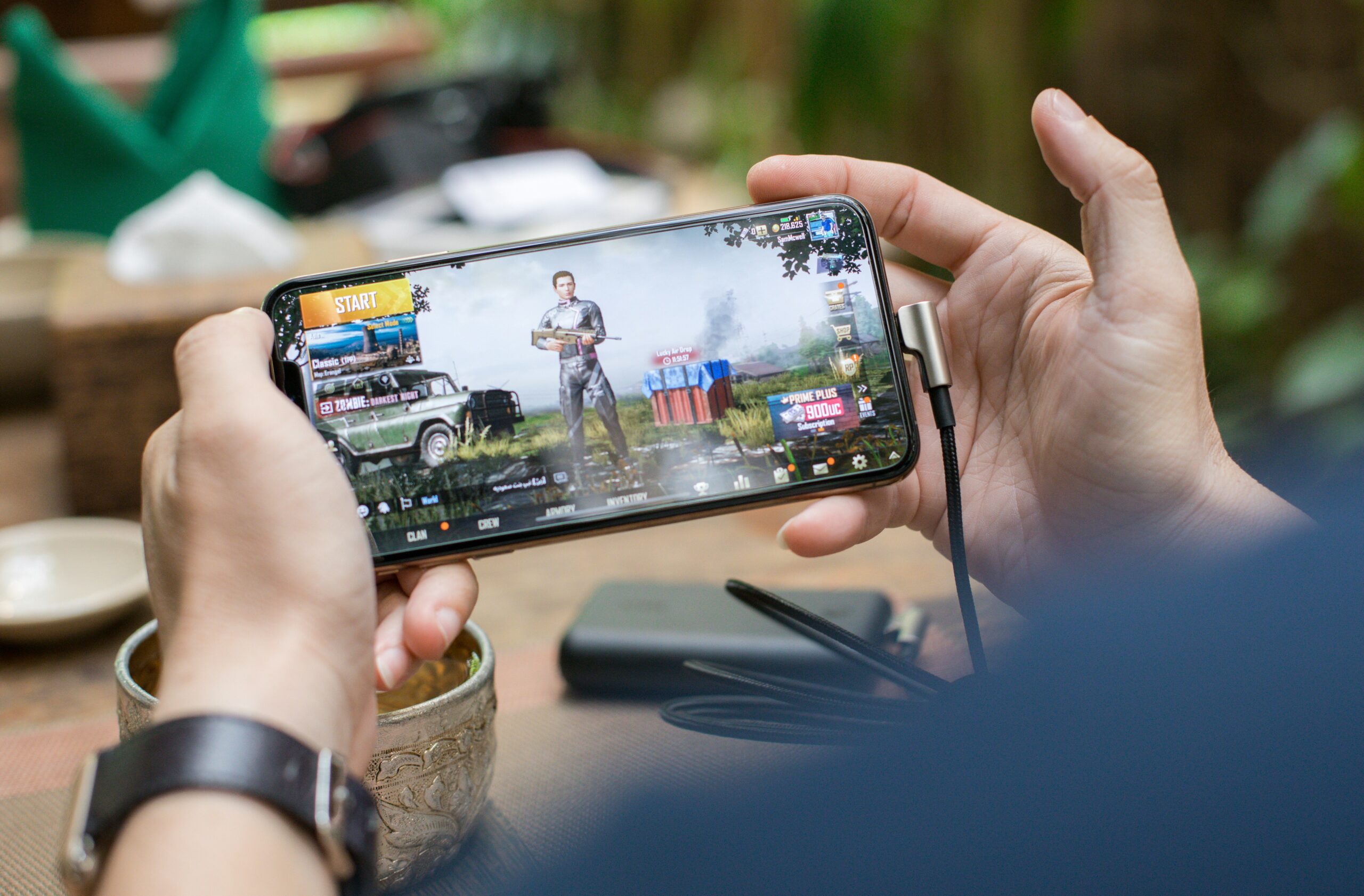
Unlike traditional markets that developed around consoles and PCs, Africa’s gaming economy is fundamentally mobile-first.
Why is Africa’s Gaming Market Growing So Fast?
More than 60% of gaming revenue across Africa is generated through smartphones, positioning mobile devices as the primary access point rather than a secondary channel. This dominance is driven by structural realities: high console and PC costs, import tariffs, inconsistent power supply, and limited fixed broadband penetration.
Smartphones, combined with affordable data plans and widespread mobile-money systems, removed these barriers and enabled gaming adoption at scale. As a result, Africa’s gaming ecosystem grew around accessibility rather than waiting for infrastructure maturity.
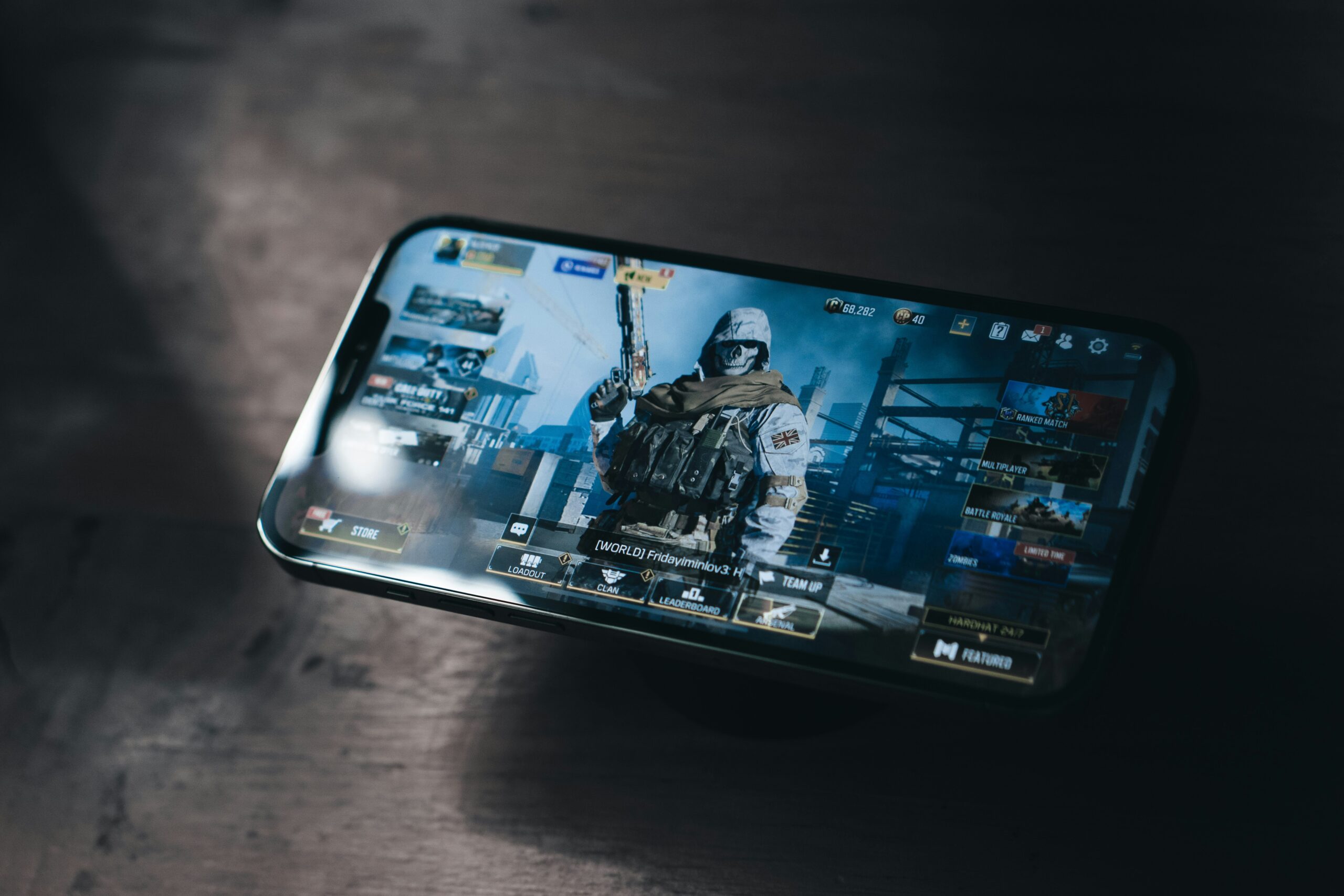
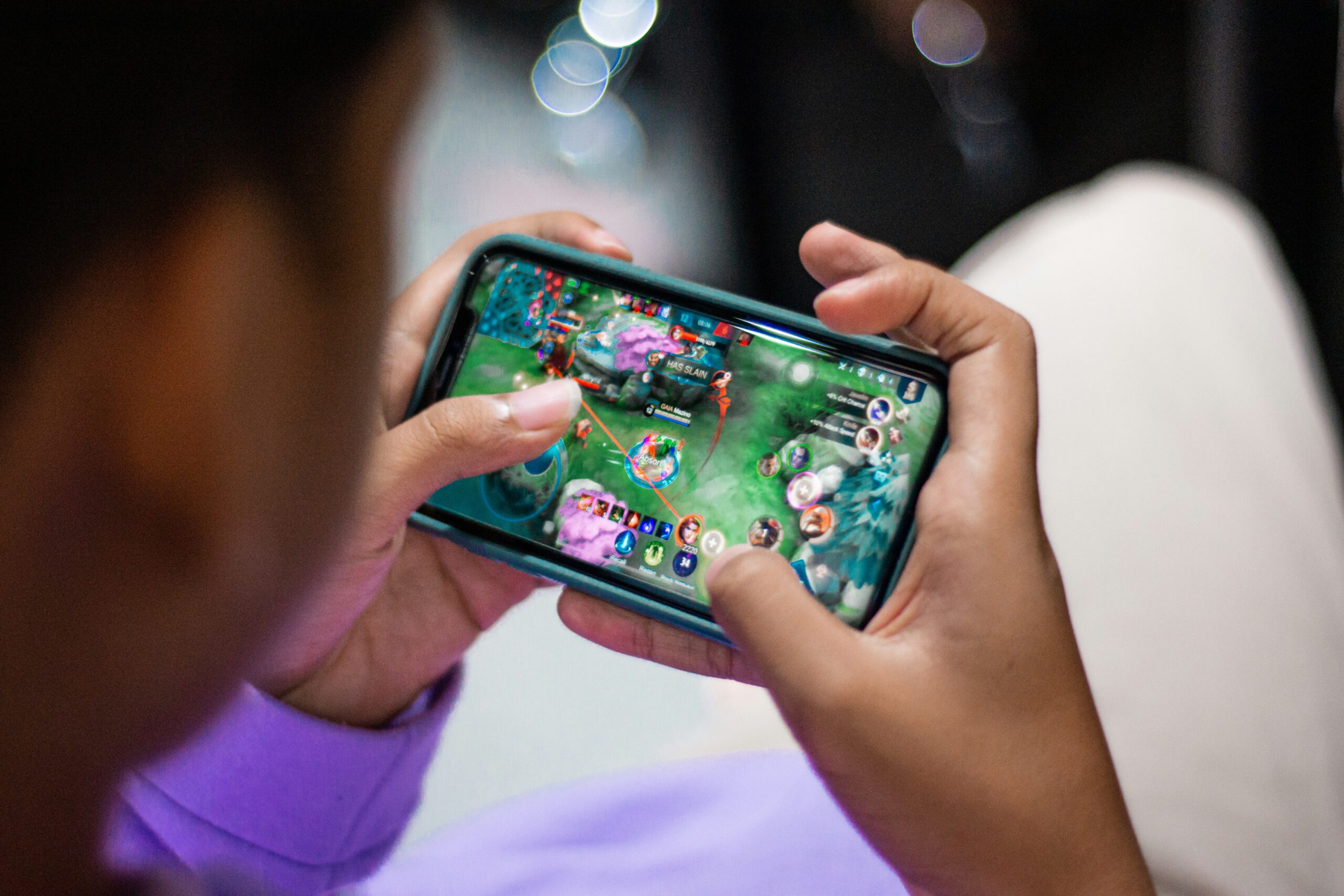
This mobile-first foundation is now shaping the region’s competitive gaming landscape. Action, MOBA, and multiplayer titles dominate engagement, with MOBA games emerging as one of the fastest-growing genres, recording a CAGR of 13.7%.
These genres naturally lend themselves to competitive formats, community-led tournaments, and spectator experiences, challenging the long-held assumption that esports’ legitimacy depends on console or PC platforms. In Africa, competitive gaming is forming organically on mobile, driven by participation rather than top-down league structures.
The relevance of this model is becoming increasingly clear for MENA esports stakeholders. While the region has benefited from premium infrastructure investments, government-backed initiatives, and large-scale international events, Africa’s experience highlights a critical gap: scale is built through accessibility, not exclusivity.
Mobile esports enables broader participation, faster audience growth, and deeper grassroots engagement, particularly among younger demographics aged 18 to 35, who already represent the majority of gamers.
What are the Top Competitive Gaming Genres in Africa?
Africa’s gaming boom also reinforces the commercial case for mobile-led ecosystems. Free-to-play models such as PUBG Mobile, MLBB, Freefire, etc, and microtransactions account for nearly half of the market’s revenue, supported by fintech and mobile payment solutions that lower friction for consumers.
For publishers and sponsors, this creates a scalable engagement model with lower entry costs and larger addressable audiences.
These dynamics mirror trends already emerging in MENA, where mobile titles consistently outperform console games in reach and engagement.
For the MENA esports industry, the lesson is not to replace console or PC competition, but to reposition mobile as the entry layer of the ecosystem. Mobile gaming acts as a gateway, bringing in players, viewers, and creators who may later transition into higher-end competitive formats.
Africa’s trajectory shows that sustainable esports growth begins with participation and community density before premium experiences.
As Africa’s mobile-first ecosystem continues to mature, its impact will increasingly extend beyond the continent. Publishers, investors, and esports operators from MENA are already engaging with African markets through partnerships, content localization, and competitive initiatives.
Rather than viewing Africa as an emerging follower, the data suggests it is becoming a proving ground for mass-market esports models.
The broader implication is clear. In emerging regions, esports growth will not wait for consoles, PCs, or perfect infrastructure.
It will follow the platforms audiences already have in their hands. For MENA, understanding and integrating this reality may define the next phase of sustainable esports expansion.
Comparison: Africa vs. MENA Esports Dynamics
| Feature | Africa Growth Model | MENA Strategic Opportunity |
| Primary Platform | Mobile (Smartphone) | Mobile as a “Gateway” to PC/Console |
| Monetization | Fintech & Microtransactions | Premium Events & Sponsorships |
| Market Driver | Community-led (Bottom-Up) | Government-backed (Top-Down) |
| Key Titles | Free Fire, MLBB, PUBG Mobile | Valorant, League of Legends, FC25 |
Frequently Asked Questions (FAQ)
What is the projected size of Africa’s gaming market?
The market is expected to grow from USD 2.04 billion in 2025 to USD 3.68 billion by 2030, representing a 12.5% CAGR.
Why is mobile gaming more popular than console gaming in Africa?
High hardware costs, import duties, and infrastructure challenges like power instability make smartphones the most practical and affordable access point for the majority of gamers.
How can MENA esports benefit from the African model?
By adopting a mobile-first “entry layer,” MENA can increase audience participation, lower the cost of player acquisition, and build a more sustainable grassroots pipeline for professional esports.