The Insomnia Egypt Gaming Festival faces a significant gap between its reported attendance of 25,000 gamers and the digital footprint left by its official ticketing platform. With an average ticket price of 600 EGP and website traffic peaking at approximately 10,000 monthly visits, the math required to reach the official figures necessitates conversion rates that far exceed any imaginary benchmarks.
Even under highly optimistic scenarios involving aggressive partnership distributions and maximum digital efficiency, the data suggests a total visitor count closer to 10,000, raising questions about the authenticity of the “real demand” versus the numbers presented by the organizers.
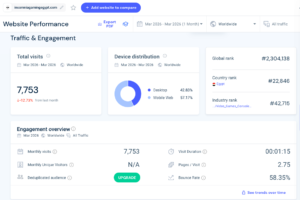
Analysis of SimilarWeb data indicates that the official website received roughly 7,500 to 10,000 visits in the month leading up to the event. In the Egyptian e-commerce landscape, where a 5% conversion rate is considered a higher average performance, reaching a ticket-buying audience of 26,000 would require traffic volumes many times higher than what was recorded.
Even if the website achieved a heavenly excellent 50% conversion rate, it would only account for 5,000 paying customers, leaving a massive deficit that media buying and marketing struggle to explain.
To bridge the gap between organic sales and the 26,000 figure, we could suggest a scenario where “BME”, the organizing company, relied heavily on partnership platforms like Vodafone Red and internal hardware e-commerce channels. However, even if these partnerships managed to double the volume of sold tickets through free distributions and loyalty rewards, the total estimated crowd would still hover around 10,000 attendees.
This calculation assumes that every single individual who acquired a ticket, whether purchased or gifted, actually attended the event, which is a rare occurrence in large-scale event logistics.
This gap in the numbers leaves us with a sense of uncertainty regarding the actual scale of the Egyptian esports and gaming ecosystem, as the tension between official reports and digital reality makes it difficult to verify the health of the industry.
When event organizers claim foot traffic that defies the logic of website analytics and all benchmarks, it creates a cloud of skepticism that could potentially hinder future investments or accurate market valuations. If the numbers reported by organizers cannot be independently audited or trusted, it remains unclear whether the local gaming scene is truly a successful giant or a niche market inflated by optimistic projections.
The ROI for major sponsors like Red Bull, DiDi, and BTC remains equally questionable, as it is uncertain whether these global brands gained genuine exposure or if the event organizers simply benefited from the prestige and existing traffic of these high-profile partners. If the actual attendance was significantly lower than the projected, these sponsors may have paid for engagement levels that never materialized, effectively subsidizing the event’s brand image without receiving a proportional return on their investment.
While these brands certainly brought their own loyal followers to the venue, the lack of transparent data makes it hard to determine if the festival served as a powerful marketing vehicle for them or if they were merely used to validate the event’s perceived impact.
Insomnia Egypt is part of a broader global franchise that originated in the UK, aiming to provide a localized version of the world-class gaming experience for MENA. In Egypt, the festival has traditionally relied on a mix of corporate sponsorships and hardware partnerships to fund its extensive production requirements, which include high-stakes tournaments and elaborate cosplay competitions.
As the local gaming market matures, the demand for data integrity becomes more critical, as stakeholders from developers to hardware manufacturers require accurate visitor metrics to justify their long-term participation in the regional circuit.