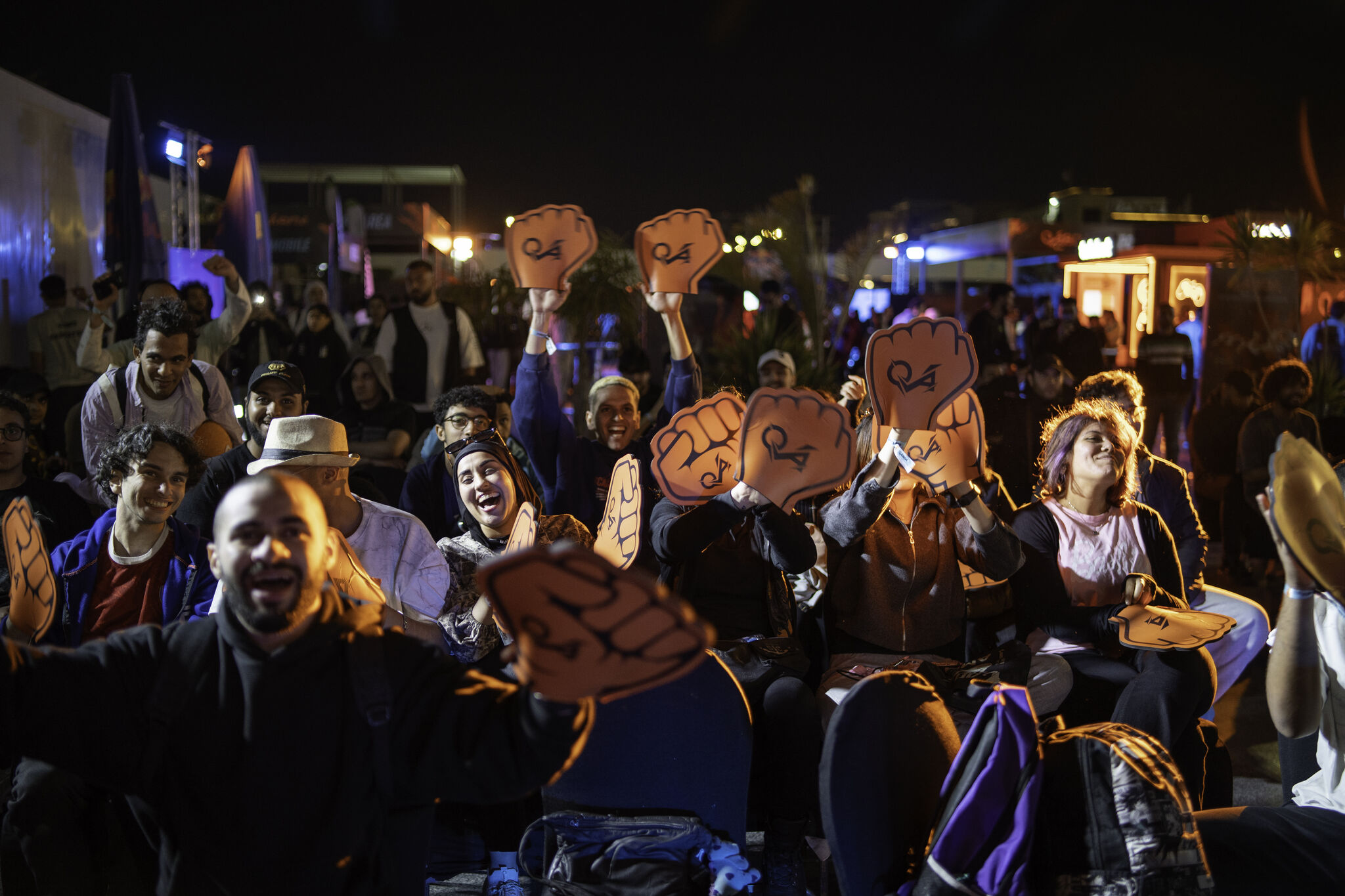
The Egyptian competitive gaming sector saw a concentrated shift in focus as FWZ Esports executed the Qabda gaming festival, a single-day tournament designed to revamp a fighting game community that has largely operated without professional oversight or corporate investment, centering the competition on established global titles, including Tekken, Street Fighter, and Brawlhalla, to create a centralized hub for a community frequently described as a “dead niche” due to its lack of recent high-profile activity in an initiative that represents a private-sector attempt to consolidate local talent.
The Qabda event was made possible through a strategic partnership between FWZ Esports and major industry stakeholders, including Talabat, AMD, and Gigabyte, who provided the prize pools and high-performance hardware essential for modern tournament standards. This collaboration ensured that the competitive environment mirrored international setups, offering local players a level of technical reliability that has been absent from previous grassroots gatherings in the region.
While the entry of such brands suggests a temporary increase in commercial interest for the fighting game genre, the long-term commitment of these sponsors to the Egyptian ecosystem will likely depend on the measurable engagement levels generated by this singular activation.
This organizational push follows a period of notable difficulty for the Egyptian Esports Federation, which saw its players underperform during the recent Arab Esports League cycles in games like Tekken. The Qabda event is being positioned by some as a necessary catalyst to put Egypt back on the global fighting games map, yet it remains to be seen if one festival can counter the systemic training gaps that led to these prior international losses.
Therefore, it is still early to determine whether the event can serve as a foundational step toward professionalizing the local scene or if it functions primarily as a high-production festival with little impact on the country’s broader competitive results.
Historically, the Egyptian fighting game community has suffered from a lack of institutional support compared to more commercially dominant genres like tactical shooters, resulting in a fragmented landscape with limited professional pathways.
This organizational vacuum contributed directly to the recent setbacks on the regional stage, where better-funded programs from neighboring countries have consistently secured podium finishes. By introducing the Qabda model, FWZ Esports has highlighted a potential alternative for player development, although the true measure of success will be found in future international qualifiers rather than the immediate results of a single domestic tournament.